Tag Archives: writing
3 stages of life
- The dance hall is empty when I arrive. Silent except for the faint humming of the city and the ticking of the clock on the wall, the same sort as those they use in the classroom. Fooling us. Deceiving us. Tick tock, tick tock, as if anything actually exists. Sunshine through the windows, diminished by frosted glass, yet reflecting on the mirrors and creating blurry shapes of light on the wooden floor. Everything is beige and white and soft shades of pink in here. It’s nice, I think.
- It’s different after class. The slight nervousness I always get before teaching is gone, and so my head can’t stay as silently calm. The sunshine faded slowly and I didn’t realise how dark it was until I turned on the light and saw colours instead of shades. The city seems brighter though, clearer. Starting to dance. The colours flashing by my eyes when I close them are sharper.
- At a youth meeting tonight they spoke about the kingdom of Jesus and I almost teared up because home, I thought. Home. And tonight there was the aftermath of a full moon, the actual one must have been covered by the clouds for several nights. I looked up at it, small clouds rushing past. I didn’t even know, I thought. Somehow that meant something. When at midnight I walked home over frosty ice, light reflecting in piles of snow as tall as me, I thought the world was almost achingly beautiful.
I start out normal and then I become so fucking strange.
Like what
A day or two
How to notice the difference
“Isn’t it funny how day by day nothing changes, but when you look back, everything is different…”
-C.S.Lewis
This, I think, is one of the most underestimated truths.
You can’t look at the difference, you can just look and look again and notice that today is not yesterday.
We do not understand change. We think it’s a moment, the clock striking twelve on New years eve or when you realise you love someone… when in reality that’s just it, you realise the change but that is not the moment it happens. It already has, over and over again, in the choices you keep on making.
Sometimes it’s hard to remember that so many good things were once bad – diamonds out of pressed coal – because like the birds rising at dawn, they do not sing about the night.
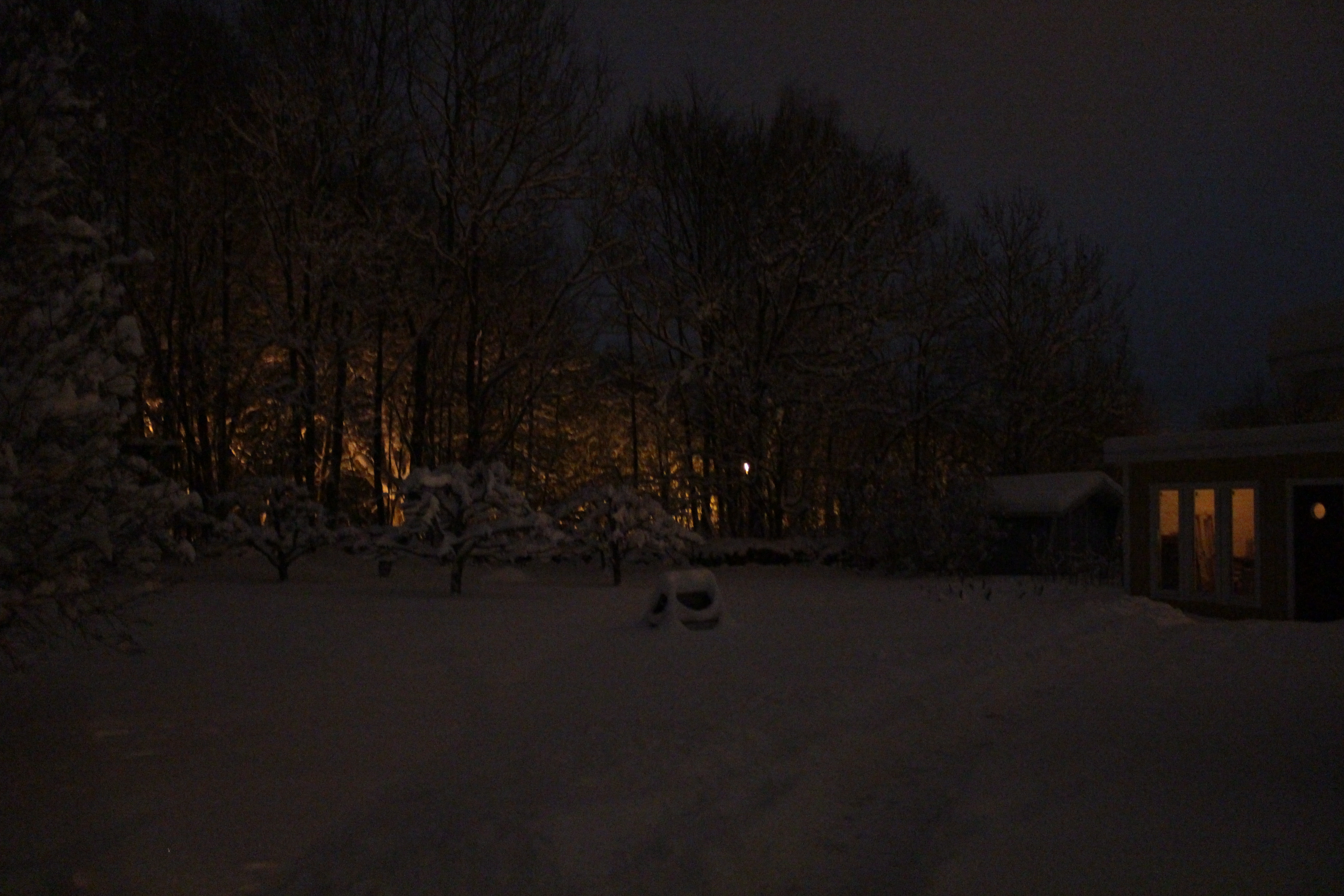
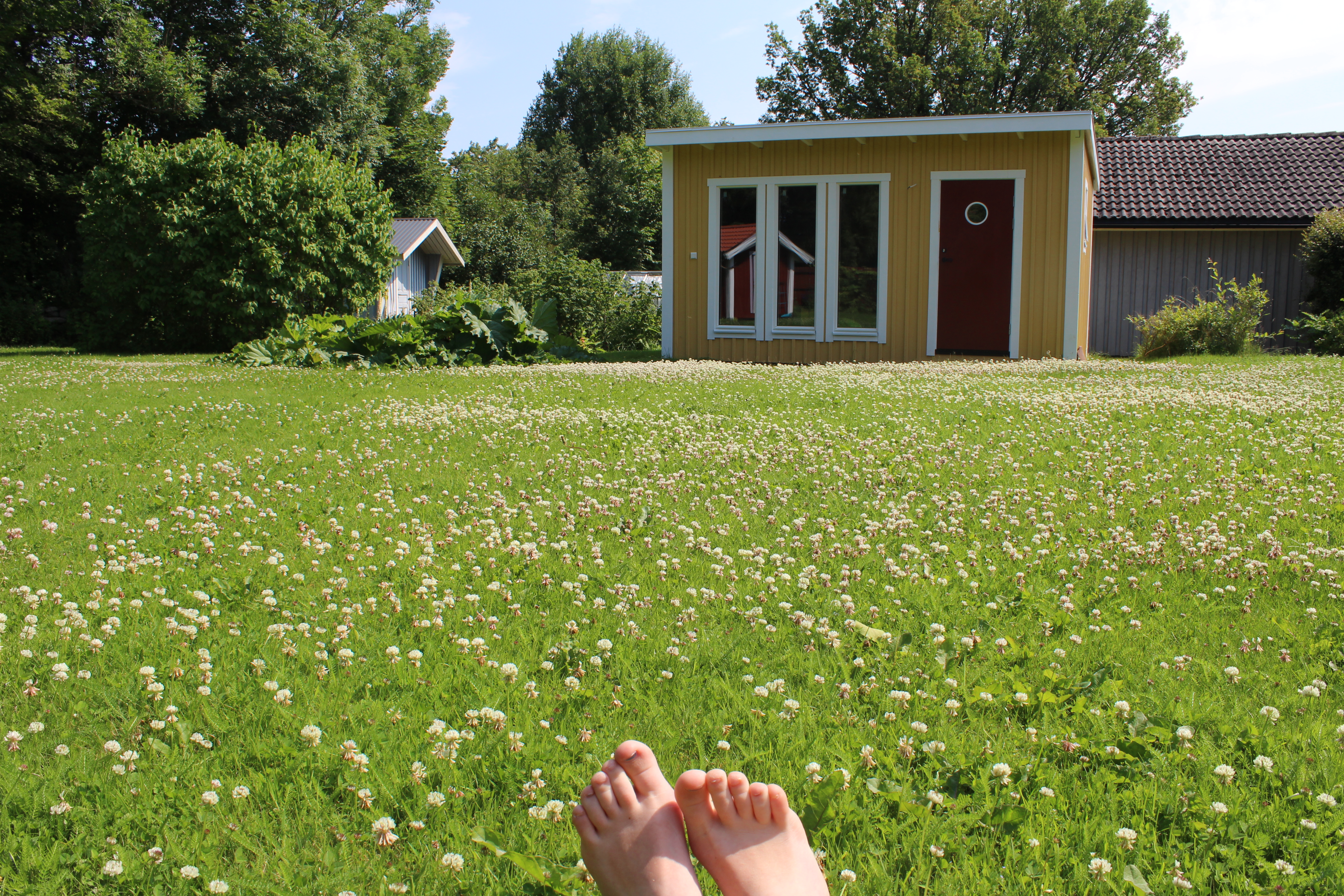
I realised this while heading out to my room, the little cabin in my garden. It was snowing the other night and this is one of those changes you do notice. But these following pictures are of just that, of the snow and how the light makes everything slightly golden and warm, and how the sun seems to never set in the summer and the flowers make my home rest in a meadow. Nature doesn’t remember the wind from last week. I will not remember how it made everything creak or when the autumn leaves turned muddy and gross, and how even though it was completely dark without the snow, the full moon still managed to create moving shadows everywhere. That is not what I photographed.
The snow doesn’t remember the heat, nor the summer the autumn colours. The flower doesn’t remember the bud or it would never bloom. We think that our problem is that we live in the past, and it is. But our problem is not that we remember. Because we don’t. We see self-chosen memories, not truths, and so we can pick and choose. And we so rarely choose the time in between.
When you have no one else who can say this to you, let me
You are not strange or normal or different or anything else that is not a description of you but a comparison to something and anyone and anything else. Do not get stuck in yourself believing that you are you and the world is the world, but remember that you are you and someone else is someone else, and the world is just a temporary home for a bunch of people at least as screwed up as you are (because God help me, do we need help). We’re not meant to do this alone so find someone who can pull pieces from the darkness and show you the light of being a part of this terrifying place, even though that means knowing that no one actually is. We’re outstanding, a species consisting of individuals existing within their own heads. Generation after generation, all believing they’re as alone in their thoughts and opinions and feelings as we think we are. Just be. And know that someone else is too.
(find someone in the sea of faces)
Surviving school (or not)
So yesterday I got ready for my first day at school. Clothes, breakfast, makeup.. only to get there and realise I didn’t have to go to my first class and could come back six hours later. Wandering home my heels made my feet ache and slip on the ice that was somehow still there even though the snow melted the day before, and I don’t think the sky ever turned bright. Back to school later and then back home. It wasn’t horrible. I met some nice people and stuff. And then I went to bed at like seven and thought I was gonna get up later and do everything I had to. Spoiler alert: I didn’t. I slept more than eleven hours. Something about school and the darkness and.. school just makes me want to sleep.
But this is my last term. Thank God, because I am so sick of this. I realised a while ago I chose the wrong subjects to study and that does not help the motivation. I got an awesome backpack for christmas and I just want to go away, travel the world.
But for now I’ll stay here and obviously survive and hopefully live. It’s not bad, it’s just too much of not what I would have chosen to do. And my backpack stands in the corner of my cabin like a promise.

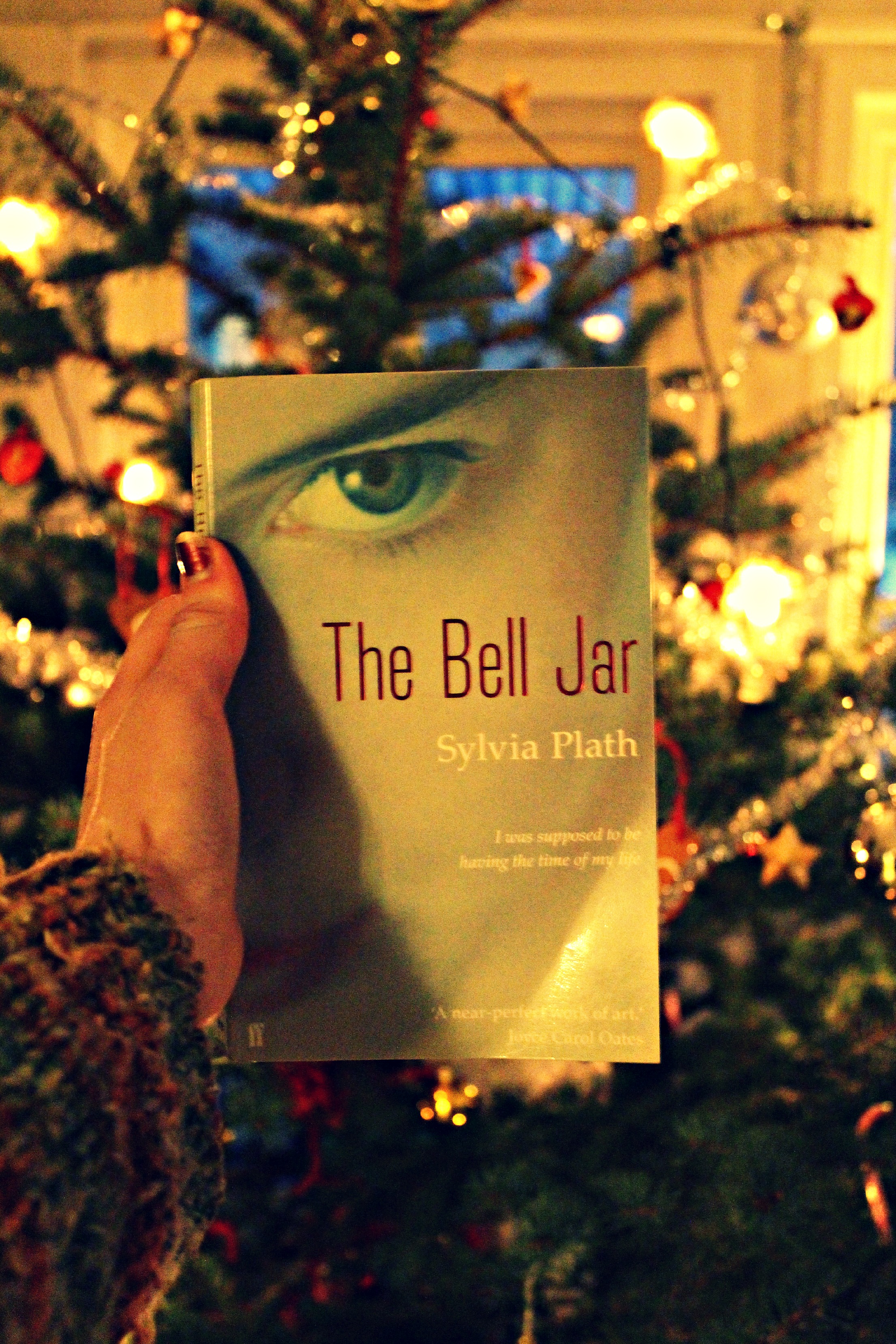
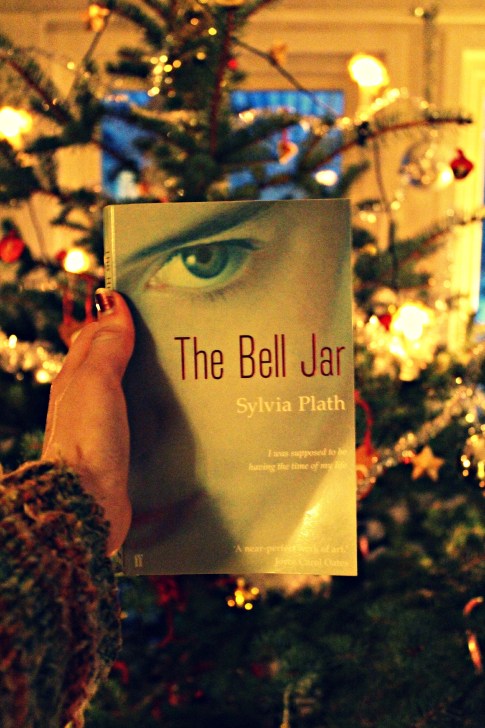
The Bell Jar by Sylvia Plath
I kind of give it like five stars out of five.
You know, it’s hard for me to give a book five stars out of five because I am afraid that the perfect book will show up, the book of all books, and I will have nothing left to give it. (Like in The fault in our stars when Hazel saves the 10 on her pain scale for when.. you know..) I suppose it’s really about the fact that feelings and opinions (and most things really) rarely can be translated into numbers. But we’re all humans here (I suppose) (gosh, I really need to stop with all of these parenthesis) and as humans we like to sort things out, categorise them and place them in their correct compartments. Except that – spoiler alert – life doesn’t work like that. Which is why, apart from just giving The bell jar almost five stars out of five, I am going to write down my completely subjective opinions and feelings and other things that have no scientific importance and a value of nothing whatsoever, except for, you know, everything. And also, actual spoiler alert for a few paragraphs down, but you’ll see that. For now you can read on without fear.
So the writer of The bell jar is Sylvia Plath. The bell jar is a book by the way. This is a book review. Haven’t really done any of those, not on the internet at least, but I like to read and I like to write so it seemed like a good idea.
First of all I love the way Sylvia Plath writes. She has a very defined voice and I felt extremely close to the main character. Sometimes she would write something that I would agree with wholeheartedly, looking at the world the way I feel I do too, yet I had to stop reading and just breathe for a few seconds because of the brilliant way she expressed it. And I would think Yes. Yes, exactly.
She also has a way of including the important parts of the story. Every part serves a purpose, even when it’s not loaded with tension. It is though, a story about depression. I suppose you should know that before reading it. I personally love reading this kind of stories and actually find them relaxing somehow, but if you don’t work like that then perhaps you should skip it. On the other hand I wish for everyone to read it because I feel like it’s something more people should understand. While reading the book I also felt such a strong urge to help the main character. I love trying to solve my friends’ problems and I guess it’s in our human nature to try to fix things. Which is why it’s so frustrating when you can’t. In this situation partly because it’s a fictional character, but even in my head I didn’t know what I could have actually done. This is, I suppose, the part we should understand, that it’s not always as easy as fixing.
Le paragraph of spoilers
Sylvia Plath killed herself about a month after the book was released. And the book is called something of a self-biography. It doesn’t actually end with her killing herself though, she goes on to improve slightly from her depression even though she writes that she fears the glass bell jar one day will descend upon her once again, making it impossible for her to breathe. If the book is as self-biographic as it’s said it tells the story of her youth, and when she actually wrote the book several years must have passed. And I suppose it did happen, that she couldn’t escape it. She knew, which is one of the most horrible things to know, that there were some things in herself against which she could not fight back.
I can’t help but wonder if she could have written herself a happier ending. Not to belittle her depression, because I know that your awareness sometimes shrinks down, like moving into a tunnel where you can no longer see the light. The glass bell jar descends and there’s nothing you can do. But especially before I knew of the books self-biographic nature, I asked myself if she could have saved herself by completely saving the person in it. Then again, if there was a way to fix it, I suppose she would apply it to herself instead of writing a book about it.
So finally… read it? Read it. Definitely. If you, like me, find it intriguing that it’s depressing. I think it’s the type of book that helps me see clearer, and so it actually calms me. And even though towards the ending you won’t be able to put it down, there is no rush in the beginning. I did put it down, many times. To breathe and to think. It was exquisite and I will carry it with me for a long time.
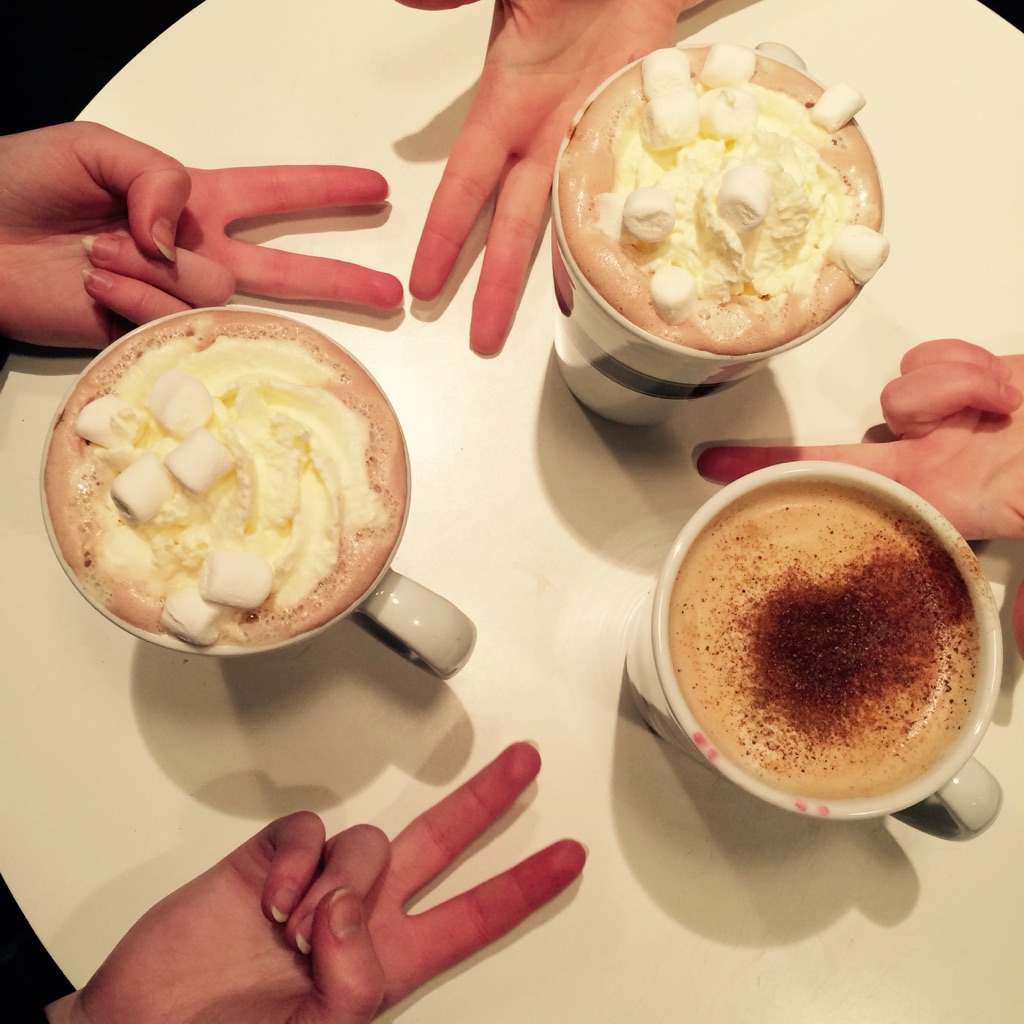
My NaNoWriMo survival kit!
As mentioned in my previous post, I’m gonna do NaNoWriMo this year! (Don’t know what it is? Check out http://nanowrimo.org/about). And for this month, there are a few things I’m definitely gonna need to survive, so I thought I’d share them with you. Without further ado;
NaNoWriMo survival kit
- Coffee, if you like coffee.
- Other stuff, if you like other stuff. Like tea, hot chocolate.. because writers DO NOT HAVE TO BE OBSESSED WITH COFFE. Seriously you guys.
- Kindness. This is why telling people about NaNoWriMo is a good thing. I usually don’t tell a lot of people, simply because I always have a thousand projects going on and I’m not the type of person who feels the need to share them all. But you want people to support you, people close to you, and obviously people in your home. Nothing beats an unexpected food tray on late evenings when your writing has made you forget the concept of eating anything else than words and sentences.
- Links to all the amazing writing tips and inspiration there is out there. I’m gonna write a post with all of my favourite links in a few days, and I’ll link it here, but for starters here’s at least my writing board on pinterest: http://www.pinterest.com/eiriaan/writing/
- Tools. Where will you write? In word? Scrivener? Maybe on actual paper? And even if you’re oh so modern and prefer everything digital, make sure that you actually own paper. Yes, that can still be useful, even in this day of age. I keep my journal, a simple, moleskine thing, with me everywhere I go. Seriously. I might take it with me if I’m just going upstairs, turning halfway up the stairs because I forgot it. Also, art stuff can be fun if you’re into that, if you like to for example draw your character designs.
- Music. If that’s your thing. Compile a few playlists, maybe different ones for different moods? Personally, I prefer silence. I can’t even study while listening to music. Sometimes, with very particular songs, it can work. Or if the volume’s so low I can barely hear it. Or maybe if it is the song that inspired that certain paragraph. Some things I like to have on low volume though, or maybe listen to while thinking about the story, is the playlist Creativity Boost from spotify, and this video on youtube! https://www.youtube.com/watch?v=ShI_fv38qYQ
- A cage. Where you can lock away every part of you that screams about grammar, structure and actual good writing. NaNoWriMo is not about that, and the faster you realize it the better. It’s about getting a rough draft out on paper. To find out what your story is actually about. Remember that you’re.. what is it they say? Let me google it.. right, this: “I’m writing a first draft and reminding myself that I’m simply shoveling sand into a box so that later I can build castles.” -Shannon Hale
Happy writing!
Summer evenings and writing
I should just write. Maybe the inspiration will flow from my brain like the ink from my pen and maybe the sound of violently pressing the keyboard will bring my heart to a path and back from the distracted zone of nowhere and everywhere. Maybe I should write because I actually do have things to write about, friends and laughter that have passed by, and imaginary people in faraway cultures whose adventures lies at my feet, waiting for my hands and letters. And maybe I should not write. Maybe I should never write again because I never write when I’m happy. Or maybe I should just learn to find another source to creativity, bright days and sunshine instead of bittersweetness and hearts teared apart. And maybe I should write because whatever the answer is, I know that the only way to find it is searching through my thoughts, and the only way to search through my thoughts is falling through them line for line, a never-ending flood of commas and vowels and me.